https://soundcloud.com/iamkuxx/so-long
Visit this page, very motivational gym track and an up and coming UK rapper!
Monday, July 06, 2015

Tuesday, June 09, 2015
DAY 6
So far I still haven't got myself to the gym, tomorrow night i will be 100% as i have renewed my membership, so I'm kind of looking forward to getting back into it now I'm down a bit of weight. This first week has been a little relaxed with my main focus on controlling my hunger, eating times and portion sizes which I have succeeded well with, the chicken and rice meals help suppress hunger and they make me full but they are sooo boring without a sauce or something, so for now I'm adding whatever I want as long as i don't exceed 500 calories per meal, every 3 hours. I have had some good success this week I'm down to 244 lbs, a total loss of 6lbs, considering that's only through diet I'm happy enough, but i know I can do more once I get back to the gym.
Mentally I feel a little better, I don't have that feeling of sloppiness or insecurity when i wear shirts and i can feel my body pushing out of it or feeling too tight, they're hanging off a little with a more relaxed fit so that's a big confidence boost, having to always move up a notch to the next belt hole also made me smile. The plan for the next week is to see 235 or anywhere below it, I want rid
of the 240's for good, and now my diet has adapted the gym and fitting in workouts is the next big thing to get nailed. I have family coming down on the 1st July, 22 days so by that time i want to find a nice fitted shirt and jeans to go out with, just like some women picture their perfect bikini body I'm picturing the fit of that shirt which by that time i want to be dipping below the 220 mark or be below 100kgs (222lbs) at least.
Still working full time hours 6 days a week, takes it out of you and the stress that comes with it almost all the time makes you want to reach for a takeaway and beers and just think fuck it tomorrows a new day, but I'm over that craving and the thought of buying a takeaway is starting to disgust me a little. I still have been drinking alcohol but nowhere near as much! I can see my skin is looking better and less discoloured around certain areas due to the quantity of water I'm drinking also.
CURRENT WEIGHT: 244.2lbs -5.8lbs
 |
| Day 6 - 244lbs |
of the 240's for good, and now my diet has adapted the gym and fitting in workouts is the next big thing to get nailed. I have family coming down on the 1st July, 22 days so by that time i want to find a nice fitted shirt and jeans to go out with, just like some women picture their perfect bikini body I'm picturing the fit of that shirt which by that time i want to be dipping below the 220 mark or be below 100kgs (222lbs) at least.
Still working full time hours 6 days a week, takes it out of you and the stress that comes with it almost all the time makes you want to reach for a takeaway and beers and just think fuck it tomorrows a new day, but I'm over that craving and the thought of buying a takeaway is starting to disgust me a little. I still have been drinking alcohol but nowhere near as much! I can see my skin is looking better and less discoloured around certain areas due to the quantity of water I'm drinking also.
CURRENT WEIGHT: 244.2lbs -5.8lbs
Wednesday, June 03, 2015
DAY 1
Last night i had a hell of a work shift! I usually work days in a 24 hour store in the city centre but just to shake things up i was on a 9pm-7am shift, so unfortunately today most of my time has been spent sleeping. About to put in some rice and chicken to get me through the night, one thing that sucks about been fat is chaffing so bad, it is so embarrassing i never used to have this problem at all, but the inside of my thighs feel like barbed wire. The gym is a no go tonight as ill only make it worse and i have work tomorrow also, so just gonna eat clean for tonight and see the numbers drop a little tomorrow. Irregular shift patterns are always a big factor in people's weight loss so I've seen from countless documentaries and actually heard from people saying, they get stuck in a rut, finish work, eat junk and drink which i am guilty of having been stuck in for the past year.
CURRENT WEIGHT: 249.6 lbs -0.4lbs
 |
| Full moon on the night shift! |
 |
| Rice rice Baby! |
 |
| Could not make it through the day without a few of these bad boys still |
CURRENT WEIGHT: 249.6 lbs -0.4lbs
Tuesday, June 02, 2015
MY CUTTING DIET (Day 0)

So my basic diet will consist of 4 meals, a complex carb, protein source per serving, plenty of water and vitamin supplements, for the time being i wont be taking any workout supplemets or protein shakes as i am squeezing around 140g of protein into the diet as it is which is exactly what my intake was during my first cut and i was happy enough with the results. I will be consuming on average 2000-2200 calories per day, around 1300 calories from plain rice, 450 calories from protein sources (chicken/turkey etc) and an additional 250-450 calories from full fat milk.........Dont panic, I know theres a lot of skeptics out there saying these ratios are all wrong, there are too many carbs, too many fats, But dont just go off what you read, this diet would be unhealthy if i was consuming more than my BMR + exercise output, but this is way below with additional low level cardio included also, fats and carbs are essential for every single metabolic and function in your body. These numbers will adjust slghtly and protein intake will take over the rice as i approach my goal weight of 195lbs as well as increased workout intensity.
My workout routine for the time being will be very little, i wont have the energy to bench 100kg for sets on end but i will be doing resistance training to maintain muscle mass and low level cardio for 30 mins per day, this worked for me like a treat the first time round even though everyone said i was wrong and i would never lose the weight, so you need to just find out what works for you. I'll also be working a full time job soemtimes with irrregular hours, so this will be a huge test of my mental strength especially with a takeaway next door! Day 0 begins now, im more intrigued to see how my mental health changes with this cut, so i will be emphasising a lot on how im thinking and feeling also with posts.
SUMMER 2015
 Hey guys, it's been a while since ive used this blog as i have been extremely busy and distracted with that annoying thing we call life. If theres any fellow Students out there at university big shout out to you i know you feel my pain too, ive treated the past few months as a BIIIG bulking period, my current stats are 250lbs and approximately 20% BF. Now Summer in the UK is coming at me faster than a bullet, so for now im making my short term goal for september when all the students return to the city and i begin my final year of study. Sometimes life throwas all sorts of curveballs at us that disrupts routines, mindsets and physically causes you to slump and go down a downard spiral and thats exactly what happened to me.
 Alcohol..........Alcohol..........Alcohol! I really do drink way too much, and the saying goes something like it is just happiness borrowed from the next day which i totally agree with! I feel horrible, im a lot more moody, down, depressed, less energetic and just not motivated to be social or even go out of my room, i used to make excuses to leave the house just because i felt great, you really do
become your worst enemy when weight gain and lifestyle changes occur. So
for anyone who is new to reading my blog i had some success with my
physical appearance and mindset but soon was thrown off it, if you need a
good read please check out my previous posts below even i was learing
as i was typing them up it was great!
Alcohol..........Alcohol..........Alcohol! I really do drink way too much, and the saying goes something like it is just happiness borrowed from the next day which i totally agree with! I feel horrible, im a lot more moody, down, depressed, less energetic and just not motivated to be social or even go out of my room, i used to make excuses to leave the house just because i felt great, you really do
become your worst enemy when weight gain and lifestyle changes occur. So
for anyone who is new to reading my blog i had some success with my
physical appearance and mindset but soon was thrown off it, if you need a
good read please check out my previous posts below even i was learing
as i was typing them up it was great! So there's my excuses. out and open i know i need to change it up and this was my biggest motivation to smash it, so thank you again for reading this and all i can say is here we go!
Friday, November 22, 2013
CARDIO
HIGH INTENSITY INTERVAL TRAINING VS ENDURANCE
When it comes to cardio you can go down one of two paths, that is moderate pace but for long periods of time (Endurance), or High intensity for short periods of time repeated in repetitions (High Intensity Training).

Now picture a marathon runner, they are very lean, not a huge amount of visible muscle but can run for hours and hours at a time, so what type of cardio do they do? Endurance. When you do long periods of cardio your body has little energy left over to contribute to muscle growth and repair and so muscle is sacrificed. Therefore we can say this type of cardio is catabolic (results in the breakdown of muscle). This also is key in endurance runners as muscles require oxygen, so the less muscle you have the less fatigued more quickly you become.
However when you look at professional sprinters, they have huge quantities of muscle mass, specially designed for anaerobic respiration over sprints of no longer than 20 seconds. When you have this scenario the cardio exercise does not last long enough to break into your muscle to break it down for energy and so muscle mass can be maintained. This is classed as anabolic (Building of muscle); it has also been proven that this type of cardio increases your testosterone production in the bod which in turn can cause maximal muscle growth throughout the body.
So if your overall goal is to lean down and build your body for marathons then set your pace right and hit the machine for as long as you can go. However if you're looking for that bulky, defined look and still need to incorporate cardio into your workouts then try high intensity interval training, for example go on a treadmill, jog at a comfortable pace for a minute and then sprint all out for 15-20 seconds. Repeat this 15-20 times and this will maximise testosterone production to help build muscle
Thursday, November 21, 2013
CUTTING
WHAT IS CUTTING?
 |
| Me at 190lbs 10% BF |
TYPICAL CUTTING NUTRITION
The typical cutting diet consists of complex carbohydrates, low intakes of fats and regular intake of protein. Depending on your basic metabolic rate (the number of calories your body uses in all metabolic reactions) you should aim to eat 500-700 calories less than that per day, this can result in a 1lb loss of fat per week without any cardio. However if you do cardio exercise as well you can burn sufficiently more. 1lb of pure fat is equivalent to 3500 calories of energy, so by burning 500 calories on the treadmill every day you could burn another 1lb of fat per week also. So in terms of ratios of macro nutrients, the typical diet is 40:40:20 or 30:50:20 (carbs, protein, fat respectively).
THE IMPORTANCE OF
When cutting your body is not taking in as many calories as it needs and it will do anything to get those extra calories, even break down muscle tissue if needs be. This can be prevented by frequent high weight, low rep range weightlifting. Not only does this help maintain your muscle mass, it will also tell your body that you still need to use this muscle and so it will be more reliant on fat reserves to break down for energy. Sufficient protein must also be taken in daily around 120-180 grams in order to help keep your muscle strong and maintain size. You will find you will not be able to do hours in the gym at the time like you used to because your body simply does not have the energy to do so.Picture source: http://2.bp.blogspot.com/_STOgeSTvbwA/TOVbj7Rv3fI/AAAAAAAAAAU/umI2iGE3A4s/S748/shawna-lean-muscle-building.jpg

BULKING
WHAT IS BULKING?


Bulking is a term used by beginners and bodybuilders who merely want to try and build up as much lean muscle as possible, where this is the primary goal, it is also desirable to gain as little fat as possible in the process. The general rule of bulking is to consume more calories than your body burns during a day, increasing weight training intensity and reducing cardio to minimalistic time periods to reduce calories burned by exercise.
TYPICAL BULKING NUTRITION
The typical bulking diet can be approached one of two ways,
by either a clean bulk or a dirty bulk, these are pretty self-explanatory,
however let's have a look at clean bulking first. A clean bulk diet typically
consist of complex carbohydrates, unsaturated fats and lots of protein, the
majority of calories comes from the carbs and healthy fats and the increase in
protein, up to 250g, contributes to the increase in lean muscle mass. If you
aim to consume 500-1000 more calories than your basic metabolic rate, you will
gain 1lb of muscle every 14-20 days with sufficient tearing of the muscle
fibres and sufficient nutrition. Common ratios used in bulking are 30:20:50 and
40:10:50 (carbs, fats and protein respectively). Also do not forget to always
take a multivitamin tablet or training supplement to aid in recovery and
protein intake.
TRAINING WHEN BULKING
In order to get the correct response out of your muscle
groups while bulking bodybuilders tend to hit moderate to heavy weights in a rep
range of 8-12, or even as low as 4-6. This type of training causes maximum
stimulation to the muscle fibres to tear and grow, and as long as you are
eating enough protein you will see results fast. Weight training is the same
for every muscle group, however when it comes to cardio try to keep it very
short, no longer than 15 minutes or even 10 minutes if you do high intensity
interval training (which can also promote anabolic growth and spike
testosterone levels in the blood). When you tear your muscle fibres down as much as when you do training with this system, protein synthesis in your muscle fibres and surrounding cells is amplified greatly, so the increase in protein uptake is simply there to provide the amino acids in order to keep up with the body's demand, if it is not met, the muscle will simply not grow bigger but be broken down by the body which is just a waste of your hard time.Bulking can last for however long the individual requires, however i would reccommend a time allowance of at least 3-6 months on a bulking programme in order to make it worth your while to build up some serious gains that are noticable once you do a following 1-2 month cutting programme. Dont fall in to the trap of stopping your bulk a few months in and thinking oh no im getting to fat i need to cut! Not only will you not have gained any real muscle mass but when you cut back down again youre just going to be the same weight and look the same size. You need to ride it out! Don't be a middle man.
Picture source: http://24.media.tumblr.com/tumblr_m1j0srjXAK1qbbjkro1_r1_1280.jpg

Wednesday, November 20, 2013
TESTOSTERONE/STEROIDS
TESTOSTERONE AND STEROIDS
When it comes to the most important hormone involved in bodybuilding, the title goes to testosterone. This sex hormone naturally occurs in all males and females, up to 8 times more in males than in females, and is directly synthesised in your body from cholesterol. So for all of those who thought cholesterol was the work of the devil, think again and it should be present in every body's diet. This hormone is also responsible for all of the changes you undergo through puberty, giving males those visible characteristics; it is also produced in the testicles.
When it comes to the most important hormone involved in bodybuilding, the title goes to testosterone. This sex hormone naturally occurs in all males and females, up to 8 times more in males than in females, and is directly synthesised in your body from cholesterol. So for all of those who thought cholesterol was the work of the devil, think again and it should be present in every body's diet. This hormone is also responsible for all of the changes you undergo through puberty, giving males those visible characteristics; it is also produced in the testicles.

HOW DOES TESTOSTERONE WORK?
Once produced in the testicles, the testosterone hormone is
then transported in the blood to target tissues by a sex hormone binding
globulin (A protein in blood plasma). Once the hormone has reached its desired
tissue, the testosterone binds to a
specific protein receptor on the exterior cell surface membrane. This binding causes a unique change in the structural properties of a receptor protein on the interior of the cell membrane and in turn this allows it to move in to the nucleus
and increase the production of DNA binding proteins. The presence of this
altered structure causes some lengths of DNA to be copied thousands of times
more, in turn producing more RNA that enters the cell and is then translated
into functional proteins. These genes can code for things such as bone hardening
molecules, hair stimulating enzymes and an increase in proteins that are needed
by muscle tissue to grow. This is how testosterone affects muscle growth and
repair, the more testosterone you have, the faster your body produces
testosterone and so the bigger your muscles grow, and the quicker you can
recover between workouts. The production of increased testosterone in muscle tissue also counter acts the action of cortisol, a hormone released during times of stress which increases the breakdown of muscle tissue, so by suppressing this process muscle tissue is preserved. This is why steroids can be very desirable in the
world of professional sports.
WHAT ARE ANABOLIC STEROIDS?
The word steroid actually relates to the group of molecules
testosterone belongs to and these molecules are naturally made in the human
body, therefore steroids are a natural product. However there are up to 46
artificially modified steroids that do not synthesise in the body and these can
be extremely dangerous if taken in large amounts. The collective group of
molecules we are looking at are called anabolic steroids, basically meaning to
build muscle. The way these anabolic steroids differ to body synthesised steroids
such as testosterone is that they directly affect the nucleus. What I mean by
this is, is that when natural testosterone in your body reaches a cell, it does
not enter the cell. Instead it binds to a structure on the external surface of
the cell, which causes reaction on the inner side, releasing a protein that
enters the nucleus; therefore we say it does not directly affect the nucleus.
However anabolic steroids have been modified so that they can penetrate
directly through the cell membrane and reach the nucleus, this amplifies their
effect significantly leading to bigger, faster gains and smaller times of
muscle recovery. They do build uscle very quickly, but however if left to long
periods of inactivity, muscle deterioration will be significantly more than in
an athlete who is natural, easy come easy go I guess.
SIDE EFFECTS OF ANABOLIC STEROIDS
I'm sure you have all heard of at least several side effects
of pro longed anabolic steroid use. The most linked causes are heart disease
and heart failure, shrinking of the testicles and excessive aggressive
behaviour. Other problems such as reduced blood glucose tolerance (less glucose
is present in the blood), Depression, anxiety and man boobs.
Heart failure can be caused by a few things, anabolic
steroid use leads to high blood pressure and if excessive this can cause
arteries to burst and can lead to a heart attack. It also increases the amount
of LDL (Low density lipoproteins) in your blood, and this promotes the movement
and storage of cholesterol in your body, mostly your arteries. Alternatively
HDL (High density lipoproteins) actually causes the breakdown of cholesterol
and removes them from the arteries and circulates in the blood where excess
amounts are filtered out through the kidneys. This build-up of cholesterol in
the arteries can lead to plaques forming, which in turn leads to a heart
attack.
The shrinking of the testicles is down to your body stopping
testosterone production, or lowering it significantly as it is being provided
by an external source. When you inject anabolic steroids, your body recognises
your cells are taking in more than normal levels of testosterone and so what
your testicles do is lower or stop the production of testosterone all together,
and when you stop taking the steroids it can take a very long time for them to
kick back up into action which can lead to permanent loss of testosterone
production in your body if you cycle steroids for long periods of time.
So is it really worth it for a quick fix?

Sunday, November 17, 2013
MINERALS
MINERALS

Potassium
(k+)
Your RDA of potassium is 4700mg and plays crucial roles as an electrolyte in your kidneys and your nerves in order to maintain water levels in your blood and to help promote healthy depolarisation of nerve membranes so electrical impulses can travel through your body efficiently. It can be found in potato skin, legumes, bananas, spinach and sweet potatoes. A deficiency leads to hypokalaemia whereby you can experience muscle weakness, cramps, depression, respiratory problems and excess deterioration of skeletal muscle. Excess amounts leads to hyperkalaemia that causes heart palpitations and extreme muscle weakness.
Your RDA of potassium is 4700mg and plays crucial roles as an electrolyte in your kidneys and your nerves in order to maintain water levels in your blood and to help promote healthy depolarisation of nerve membranes so electrical impulses can travel through your body efficiently. It can be found in potato skin, legumes, bananas, spinach and sweet potatoes. A deficiency leads to hypokalaemia whereby you can experience muscle weakness, cramps, depression, respiratory problems and excess deterioration of skeletal muscle. Excess amounts leads to hyperkalaemia that causes heart palpitations and extreme muscle weakness.
Chlorine
(Cl-)
Your RDA of chlorine is 2300mg and is needed for the vital production of hydrochloric acid, the acid that digests your food and breaks it down in your stomach. The main dietary intake is from able salt along with sodium. A deficiency leads to hypochloremia which causes hyperventilation and respiratory acidosis due to an excess of H+ ions in the blood as there are not enough chlorine molecules to remove them and form hydrochloric acid. Overdosing on chlorine is called hyperchloremia which has no visible symptoms but can cause excess fluid loss by vomiting and diarrhoea.
Sodium (Na+)
Your RDA of sodium is 1500mg and like potassium plays roles in the kidneys and nerves maintaining water levels in the blood and promoting healthy nerve impulses. Sodium can be found in table salt, sea vegetables, spinach and milk. A deficiency leads to hyponatremia and causes nausea, vomiting, severe headaches muscle weakness and cramps, in extreme cases of low sodium fluid will accumulate in the brain and cause it to swell against the skull which can lead to brain damage. Hypernatremia is when there is too much sodium in the diet and can be caused by excessive intake of sodium or lack of water, this is dehydration and which can lead to seizure and comas, this is why drinking sea water will kill you.
Calcium (Ca2+)
Your RDA of calcium is 1300mg and is essential in muscle contraction heart and digestive system health as well as helping build bone and aiding the function of red blood cells. Calcium can mostly be found in milk, eggs, vegetables and dairy products. Hypocalcaemia is a deficiency of the mineral and can form large spots and bruises on the body, pins and needles around the mouth and can lead to cardiac arrest if totally absent for long periods of time. Hypercalcaemia occurs when calcium is in excess and can form painful kidney stones, bone and joint pain and can increase the risk of mental issues such as depression and anxiety.
Phosphorous
(P3-)
Your RDA of phosphorous is 700mg and forms crucial components of
bone and cells and is very important in the synthesising and processing of ATP
energy in the body. It can be found in red meat, dairy food, fish, poultry and
bread. Hypophosphatemia is when there is a lack of phosphorous in the diet and
can lead to muscle dysfunction, fatigue and mental instability with mood swings
and irritability increase. Too much is called Hyperphosphatemia and can cause
bone pain and also the deposition of calcium within soft tissues and organs
which can lead to decreased flexibility and fluidity which can cause organs and
tissues to fail.
Magnesium (Mg2+)
Your RDA of Magnesium is 420mg and is required for processing ATP and processing energy in cells as well as bone formation regulation. Magnesium can be found in raw nuts, spinach, beans and ginger. A deficiency leads to Hypomagnesaemia which can cause dizziness, muscle cramps and extreme fatigue. Severe deficiencies can result in personality changes and heart failure. Excess magnesium is called hypomagnesaemia and leads to impaired breathing, weakness and vomiting.
Zinc (Zn2+)
Your RDA of zinc is 11mg and is required for healthy sperm production and enzymes involved with digestion and breakdown of alcohols in the liver. Zinc can be foun in beans, peas, spinach, red meats and raw liver. A deficiency can cause diarrhoea, wasting of body tissue and acne, zinc has also been linked to eyesight, smell and how you taste foods. In excess it leads to zinc toxicity which causes nausea, cramps and vomiting.
Iron (Fe3+)
Your RDA of iron is 18mg and is essential for the structural characteristics of many proteins, most notable the protein haemoglobin in red blood cells. The iron gives oxygen a place to bind to in the cell and so this is responsible for red blood cells being adapted to deliver oxygen around the body. It can be found in red meats, eggs, spinach and vegetables. Iron deficiencies can lead to anaemia which causes fatigue, weight loss, loss of appetite and muscle weakness. Iron overload deficiency can lead to cirrhosis of the liver, diabetes arthritis and even testicular failure.
Manganese
(Mn2+)
Your RDA of manganese is 2.3mg and is an essential molecule in the action of co enzymes in the body that aid enzymes and molecular reactions. Manganese can be found in pineapple, spinach and even strawberries. Manganese deficiency can lead to joint pain, increased inflammation of injuries, arthritis and osteoporosis of the spine. Manganism occurs when excess amounts enter the body, this causes reduced mental response, mood shifts and can lead to symptoms similar to Parkinson's disease.
Copper (Cu2+)
Your RDA of copper is 0.9mg and is a required component of enzymes involved in respiration. Copper can be sourced from mushrooms, spinach and seeds. Deficiency's in copper can cause severe neurological diseases and can increase the risk of depression and anxiety. However too much copper can lead to copper toxicity whereby you may vomit blood, have jaundice where the skin yellows and long term overdoing can lead to kidney and liver failure.
Iodine (I-)
Your RDA of Iodine is 0.150mg and is used in the synthesis of thyroid hormones from the brain and in antioxidant enzymes found in salivary and mammary glands. Iodine can be found in eggs, cheese and yoghurts. Iodine deficiency has been directly linked to reduced mental awareness and IQ numbers and can also lead to increased depression and a lower resting body temperature. There currently are no known cases of iodine overload from dietary intake.
Selenium
(Se2-)
Your RDA of Selenium is 0.55mg and is an important cofactor in the activation of antioxidants in the body. Most commonly found in wild fish, eggs and tuna a deficiency in selenium has rarely been reported but has been linked to impaired intestinal function. Selenosis is when there is too much selenium
Molybdenum
(Mo2-)
Your RDA of molybdenum is 0.05mg and plays key roles in antioxidant enzymes in the body, preventing tissues and cells being damaged during key metabolic processes. Molybdenum can be found in tomatoes, onions and carrots with deficiency's rarely reported in humans with no known symptoms.
Other non-essential minerals that play roles in your body are
Sulphur (primarily used for the binding and formation of proteins)
Cobalt, nickel, chromium, lithium, arsenic and vanadium (which all play key roles in enzymes and co enzymes to enable reactions inside the body)
Sulphur (primarily used for the binding and formation of proteins)
Cobalt, nickel, chromium, lithium, arsenic and vanadium (which all play key roles in enzymes and co enzymes to enable reactions inside the body)
Fluorine
(which is not an essential mineral as it plays no role in the living process of
the body, instead this is used to protect teeth enamel)
Saturday, November 16, 2013
PROGRESS
My first progress pictures will be going up in December guys as well as a few vlogs introducing myself properly and introducing you to my way of life over the Christmas period. Hopefully by me showing i can resist the temptations of the quality street tin and complimentary Christmas tree chocolates, i can maybe help save you from indulging and keeping on the straight and narrow with your diet and workouts. I will keep my body space profile updated and will post pictures up here too, hopefully i will get the Facebook group up and running also. Thank you for taking your time to read my posts it seems to be getting some good feed back :)
Please feel free to message me regarding any questions or if its even to just help talk you down off that carb and saturated fat filled ledge when cravings are overpowering you :P
http://bodyspace.bodybuilding.com/batey99/
Josh

Please feel free to message me regarding any questions or if its even to just help talk you down off that carb and saturated fat filled ledge when cravings are overpowering you :P
http://bodyspace.bodybuilding.com/batey99/
Josh

MUSCLE
WHAT IS MUSCLE?

Muscle is a tissue in the human body that aids in the
rotation of joints in order to allow mobility andmovement. There are around
600 muscles in the human body and as much as you may try and prove otherwise
your muscles are only capable of a pulling potion, for example pushing a large
box is due to muscles on the back of the arm contracting to straighten the arm
as you push. They are made up of 75% water! So keep well hydrated as
dehydration can lead to elasticity decease which in turn can lead to injuries
and tears so always keep a full bottle of water nearby for your workouts. So
lets go through the basic structure of muscles and muscle fibres. Attaching every muscle to your bone is a tendon, now the
tendon is a collection of tough collagen fibres that is connected directly to
the epimysium of the muscle; this is basically the blanket that sheaths the muscle
fibres inside and separates the muscle tissue from surrounding tissues. So
inside this epimysium are thousands of cylindrical tubes called fascicles,
again all Ff these fascicles are somewhat glued together by another
membrane called the perimysium. Within these fascicles are thousands more of
smaller cylindrical tubes and these tubes are the actual muscle fibres. The
structural pattern of these tubes within tube principle allows maximum tension
strength and surface area exposure of the muscle fibres to blood and nutrients
WHAT IS THE SARCOMERE?
The sarcomere is the
smallest functioning unit of the muscle fibres and the collective action of
millions of these in one muscle fibre is what leads to overall contraction.
 In the diagram here there are two sub types
of filaments within the muscle fibre, these are thick filaments that act like
anchors and do not move (Myosin). And thinner filaments that slide in between
these thicker filaments to enable contraction (Actin). Basically at rest there
is no contraction because the actin protein filaments are actually twisted and
the binding site to where the myosin structures grip the filaments cannot be
reached. However when you contract your muscles, calcium ions are released into
the muscle tissue and this twists the actin filaments whereby the myosin filament
grips on and pulls them inwards, shortening the entire muscle and causing
contraction, ATP is a small molecule that breaks the bond between the two
filaments and the muscle is reset.
In the diagram here there are two sub types
of filaments within the muscle fibre, these are thick filaments that act like
anchors and do not move (Myosin). And thinner filaments that slide in between
these thicker filaments to enable contraction (Actin). Basically at rest there
is no contraction because the actin protein filaments are actually twisted and
the binding site to where the myosin structures grip the filaments cannot be
reached. However when you contract your muscles, calcium ions are released into
the muscle tissue and this twists the actin filaments whereby the myosin filament
grips on and pulls them inwards, shortening the entire muscle and causing
contraction, ATP is a small molecule that breaks the bond between the two
filaments and the muscle is reset.
HOW DOES MUSCLE
TISSUE VARY?
TISSUE VARY?
Muscle tissue comes in three varieties inside the human
body. These are skeletal, cardiac and smooth and each are highly adapted for
their roles in the body.
 Skeletal Muscle
– This is the muscle tissue associated with
Skeletal Muscle
– This is the muscle tissue associated with everything from lifting weights, moving and basic actions like
smiling and its contraction is voluntarily controlled, i.e. you
decide when it moves. Skeletal muscle can be subcategorised
into slow twitch and fast twitch fibres, your slow twitch
muscles appear red due to the high concentrations of oxygen
binding molecules known as myoglobin, therefore the high presence of oxygen means this muscle fatigues slowly. Fast twitch muscle fibres appear white and are highly specialised for much faster contraction but fatigue more quickly than red muscle fibres as they undergo mostly anaerobic respiration (Without oxygen) producing less energy but at the cost of faster contraction.

 Cardiac Muscle – Cardiac
muscle is unique in that it is only
Cardiac Muscle – Cardiac
muscle is unique in that it is only found in the heart. You will be glad to know this muscle is
extremely slow at fatiguing and relies on a heavy blood and
oxygen supply. With intricate networks of nerves and
interconnecting fibres the cells are separated by intercalated
discs which basically give rise to its contractive abilities, acting like a receptor that sets off a chain of reactions down the line of muscles once
detected by these discs.
Smooth Muscle – The
smooth muscle in your body can be found
in arteries and the digestive tract, it is involuntary meaning you
cannot control its contractions. It is a very flat and has a 2d shape
like structure, this gives the muscle cells a large surface area and
elastic properties which are crucial for absorbing maximum
nutrients from the digestive tract and in widening and dilating
arteries in the body to maintain blood pressure.
in arteries and the digestive tract, it is involuntary meaning you
cannot control its contractions. It is a very flat and has a 2d shape
like structure, this gives the muscle cells a large surface area and
elastic properties which are crucial for absorbing maximum
nutrients from the digestive tract and in widening and dilating
arteries in the body to maintain blood pressure.
WHAT IS HYPERTROPHY?
 Muscle hypertrophy is the enlargement of muscle tissue through breakdown of the protein filamentswithin the tissue and then sufficient
nutritional uptake to increase the size of either the muscle fibresor the sarcoplasmic reticulum. The what?
Thesarcoplasmic reticulum can be thought of as like a bag wrapping around all
muscle fibres in the tissue with protruding fingerlike structures sticking out into the
muscle. These structures are known as T-tubules and this is where the calcium
ions travel towards the muscle during contraction. However the sarcoplasmic
reticulum is the structure that stores the calcium ions until given the nervous
signal to release them. Hypertrophy comes from the Greek meaning ‘excess
nutrition’. Muscular hypertrophy can occur in two ways:
Muscle hypertrophy is the enlargement of muscle tissue through breakdown of the protein filamentswithin the tissue and then sufficient
nutritional uptake to increase the size of either the muscle fibresor the sarcoplasmic reticulum. The what?
Thesarcoplasmic reticulum can be thought of as like a bag wrapping around all
muscle fibres in the tissue with protruding fingerlike structures sticking out into the
muscle. These structures are known as T-tubules and this is where the calcium
ions travel towards the muscle during contraction. However the sarcoplasmic
reticulum is the structure that stores the calcium ions until given the nervous
signal to release them. Hypertrophy comes from the Greek meaning ‘excess
nutrition’. Muscular hypertrophy can occur in two ways:Myofibrillar Hypertrophy – This is the physical increase in the size of the muscle fibres, and is achieved by low rep, high weight training. This gives the visible increase in size of the fibres and strength
Sarcoplasmic
Hypertrophy – This is the increase in size of the bag like structure
discussed before, the sarcoplasmic reticulum. An increase in size is achieved
by increased contraction, so higher rep, low weight training. This can also give
rise to increased strength without as big a visible increase in size of the
muscle, hence explaining why that smaller guy can lift the same as you and not
look as big. This is down to more calcium ions being stored and so more secrete
into the muscle and more muscle fibres can contract more efficiently and for
longer.
WHAT IS ATROPHY?
Muscle Atrophy is the breakdown of muscle tissue due to lack of resistant training and use. Best see if you have ever had a pot or cast on a broken limb, only to find it moving around more loosely after the third or fourth week, will that’s because your muscle tissue is breaking down its protein structures to be used by the body. This can be prevented by a good uptake of protein in the diet and can be quickly regained due to good muscle memory as the blood supply and connections are pre-existent when the muscle was there, it will be built up a lot faster with sufficient blood supply and nutrient supply already in place.
Muscle Atrophy is the breakdown of muscle tissue due to lack of resistant training and use. Best see if you have ever had a pot or cast on a broken limb, only to find it moving around more loosely after the third or fourth week, will that’s because your muscle tissue is breaking down its protein structures to be used by the body. This can be prevented by a good uptake of protein in the diet and can be quickly regained due to good muscle memory as the blood supply and connections are pre-existent when the muscle was there, it will be built up a lot faster with sufficient blood supply and nutrient supply already in place.
HOW DO I MAXIMIZE MUSCLE GROWTH?
Again being made up of 75% water, keep well hydrated pre,
during and post workout, going to the gym takes up 10% of your day maximum, so
what yu do in the remaining 90% nutrition wise is what decides how your muscles
grow. Sufficient protein intake, now your body synthesises proteins naturally
but must obtain essential amino acids from eating meats and nuts etc that the body
cannot produce. So keep your protein chicken and eggs close at all times. And
finally rest, do not overdo it at the gym, sleep well and always maintain
correct form leaving your ego at the door as the last thing you want is injury,
form > weight.

Friday, November 15, 2013
VITAMINS
Vitamin A (Retinal and carotenoids)
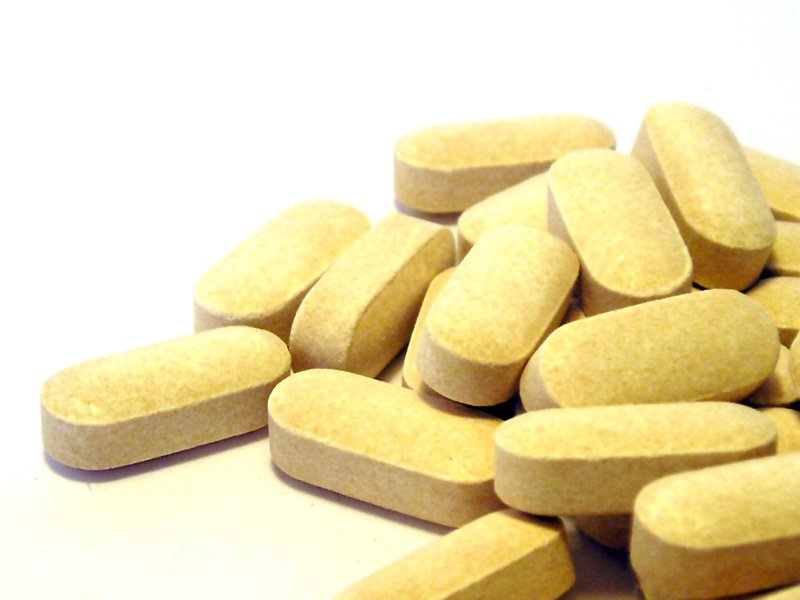 These are a fat soluble vitamin, you need approximately 900µg (A
µg
is one thousand thousandth of a gram) day in order to prevent diseases
such as night blindness. Vitamin A is essential for healthy eye function
however exceeding doses of 3000 µg is considered an overdose and can
lead to hypervitaminosis which can harm your liver. You can find this in
oranges, bananas, leafy greens, liver and milk. Funnily enough the ancient Egyptians
knew that liver was linked directly to healthy eye sight!
These are a fat soluble vitamin, you need approximately 900µg (A
µg
is one thousand thousandth of a gram) day in order to prevent diseases
such as night blindness. Vitamin A is essential for healthy eye function
however exceeding doses of 3000 µg is considered an overdose and can
lead to hypervitaminosis which can harm your liver. You can find this in
oranges, bananas, leafy greens, liver and milk. Funnily enough the ancient Egyptians
knew that liver was linked directly to healthy eye sight!
Vitamin B1
(Thiamine)
This is a water soluble vitamin, you need approximately 1.2mg (A
mg is one thousandth of a gram) a day in order to prevent Korsakoff syndrome,
whereby it affects mental health and can lead to memory impairment. Vitamin B1
can only be synthesised in plants and bacteria and so must be ingested, whereby
it forms crucial co enzymes and molecules that help in the breakdowns of sugars
and proteins in the body and also in synthesising a crucial neuro transmitter. Overdosing
can lead to drowsiness and muscle relaxation and can be found in Pork, oatmeal,
brown rice and vegetables.
Vitamin B2
(Riboflavin)
This is a water soluble vitamin, you need approximately 1.3mg a
day in your diet to prevent diseases such as ariboflavinosis whereby the victim
will get a sore throat, inflammation of the mouth and cracking in mouth
corners. There are currently no known overdose symptoms and can be found in
most dairy products, bananas and asparagus. Riboflavin plays a crucial role as
coenzymes in the digestion of fats, proteins and sugars.
Vitamin B3
(Niacin)
This is a water soluble vitamin, you need approximately 16mg a
day in order to prevent Pellagra, commonly characterised by the four D’s, Diarrhoea,
dermatitis, dementia and death. If you take more than 35mg in a day this can
lead to liver dysfunction and damage, it can be found in meat, fish eggs and
vegetables. This vitamin is one of the essential human nutrients and
synthesises the production of compounds in the human body that help synthesise
ATP (a small molecule that all cells use as energy), without Niacin all
metabolic processes would fail.
Vitamin B5
(Pantothenic acid)
This is a water soluble vitamin, you need approximately 5mg a
day to prevent paraesthesia, however this is merely a burning or tickling
sensation on the skin with no known long lasting effects. Excess intake of the
vitamin can cause heartburn and nausea. It is most commonly found in meat,
broccoli and avocados. This vitamin again is involved with metabolising fats,
proteins and carbohydrates and synthesises a crucial enzyme known as acetyl
coenzyme A which is a key enzyme in the cycle of respiration to produce energy.
Vitamin B6
(Pyridoxine)
This is a water soluble vitamin, you need approximately 1.3-1.7mg
a day. A deficiency may cause anaemia in the blood whereby your cells do not
get sufficient oxygen transport. More than 100mg a day can lead to permanent
nerve damage in the nervous system. Most commonly found in meats, vegetables
and nuts and its key role in the body is to balance your potassium and sodium
levels in the blood which corresponds to correct nerve impulse conduction and
kidney function in filtering toxins out of the blood. It also helps in red
blood cell production.
Vitamin B7
(Biotin)
This is a water soluble vitamin, you need approximately 30µg
a day, a deficiency can lead to dermatitis. There are no known overdose
symptoms for this vitamin and can be found in raw egg yolk, peanuts and
vegetables. This vitamin plays a key role in synthesising enzymes that help synthesise
fatty acids and in gluconeogenesis, whereby the body creates new glucose to put
into the blood stream when sugar levels are low.
Vitamin B9
(Folic Acid)
This is a water soluble vitamin, you need approximately 400µg
a day and a deficiency can lead to defects in new-born babies during pregnancy.
Exceeding 1000µg may mask a more serious deficiency caused by not enough
vitamin B12 which can lead to fewer red blood cells. Can be found in
leafy greens, vegetables and bread and its role in the body is to help repair
DNA, copy DNA in mitosis and cell division and ensure the DNA is transcribed properly
during protein synthesis, hence why it can be linked to deficiency’s in new
born babies when developing
Vitamin B12
(Cyanocobalamin)
This is a water soluble vitamin, you need approximately 2.4µg
a day in order to help promote sufficient red blood cell production in the
human body. Overdosing can lead to an acne like rash anywhere on the body and
can be found in vegetables, nuts and meat. Cyanocobalamin cannot be synthesised
in humans and is usually produced commercially whereby it is used in the boy to
metabolise fats, proteins and carbohydrates.
Vitamin C (Ascorbic
acid)
This is a water soluble vitamin, you need approximately 90mg a
day. A deficiency can lead to scurvy made most famous by captain cook’s voyages
across the oceans whereby his sailors lacked fruit and vegetables in their diet
characterised by spongy gums and spots all over the skin. Exceeding 2000mg a
day can actually promote cancer growing cells and lead to heart failure.
Vitamin C is involved with nearly every metabolic process in the body and is synthesised
inside the human body
Vitamin D (cholecalciferol)
This is a fat soluble vitamin, you need approximately 10 µg
a day. A deficiency can lead to rickets (hollow bones whereby the legs bend
inwards and movement becomes impossible). Exceed more than 50µg
a day and it can lead to cancers and dermatitis. It is found in fish liver and
mushrooms and helps monitor serum levels in the blood. It is not an essential
vitamin as the body an produce vitamin D in large quantities when you are
exposed to UV from sunlight.
Vitamin E (Tocopherols)
This is a fat soluble vitamin, you need approximately 15mg a
day. A deficiency can lead to mild anaemia and a build-up of reactive oxygen
based molecules in the body. Exceeding 1000mg can lead to congestive heart
failure and is found in fruit, vegetables and nuts. Vitamin E is an
antioxidant, this plays a crucial role in the breakdown of fats in the body,
preventing reactive oxygen species from forming and destroying molecules and
cells in our body which speeds up the process of aging.
Vitamin K (Phylloguinone)
This is a fat soluble vitamin, you need approximately 120µg
a day. A deficiency can lead to an increase in bruising of the body and
internal bleeding. Overdosing on vitamin K can lead to increased coagulation of
the blood which leads to heart difficulties and can cause blood clots. Found in
leafy greens, vegetables, spinach and liver vitamin K helps modify proteins in
the clotting of blood and is also involved in metabolic pathways such as bone growth
and repair.
Cooking your food can actually reduce the vitamin content in
your diet by 3-20% of each vitamin depending on heat intensity and time cooked.
Therefore I would highly recommend investing in
good multivitamin to get you through your day.
Thursday, November 14, 2013
CARBS
WHAT ARE CARBOHYDRATES?

Carbohydrates are your primary resource for energy; they are very long chains of sub units called monosaccharides (e.g. glucose, fructose and galactose). These monosaccharides are the basic staple unit of energy. When two monosaccharides bond this gives a disaccharide (e.g. sucrose) and then when 3 or more monosaccharides bond this is a polysaccharide (e.g. starch and cellulose) Depending on the length of the chain of the carbohydrate this can give rise to a number of different functional properties in the body. The smaller the chain e.g. eating glucose in monosaccharide form is a much faster energy source than eating longer carbohydrate chains such as starch, the starch takes longer to break down in the body during digestion and so releases energy into your blood stream in smaller packets, giving a smaller insulin spike (we will discuss this later). Carbohydrates consist of carbon, oxygen and hydrogen molecules and the breaking of these bonds is what gives us the energy needed during respiration to exercise and move. Starch and cellulose are usually found in plants with the cellulose providing structural support and the starch its main source of energy. Glycogen is the long branched chain of glucose monosaccharides that animals primarily use as an energy source.
WHAT ARE INSULIN AND GLUCAGON?
Insulin and glucagon are two hormones circulating in your
blood that both control blood sugar level. After consuming a heavy carbohydrate
meal or an intake of pure glucose, your blood sugar levels increase
dramatically and so to return levels to normal the body releases insulin from
the pancreas. What the insulin does is it enables the cells in the body to take
in this excess glucose from the blood and store it in your body cells as fat,
this is then what gives rise to visual obesity. Glucagon however has the
opposite effect and when blood sugar levels are low when exercising or dieting,
this causes the liver to undergo a series of processes that causes the
breakdown of fats to monosaccharides that can be released into the blood
stream, this is what causes you to visually lose weight and fat and look
better.
WHAT IS DIABETES?
Diabetes can fall under two categories. Type I Diabetes is
when your pancreas cannot produce any insulin, this in turn then leads to
glucose accumulating in the blood which can make it thick and gooey and in turn
lead to a heart attack. This type of Diabetes is usually genetic and acquired
at birth and requires constant drug suppression and treatments such as insulin
needles to manage your blood sugar levels. Type II Diabetes however is caused
by your own lifestyle, this is when your body does not react efficiently to the
presence of insulin and so cell uptake of glucose from the blood is limited, or
the pancreas simply does not produce enough insulin hormones. this can be
carefully reversed and managed with good diet and exercise.
WHAT DO CARBOHYDRATES DO?
Carbohydrates once entered into the blood stream by
digestion and absorption in the intestines undergo a process called aerobic
respiration (aerobic - with oxygen, respiration - breakdown of glucose to
provide energy in the form of ATP). Once the carbohydrates have been respired,
every cell in your body receives this energy from breaking down the molecule
and this in turn provides a special organelle (organ of a cell) known as the
mitochondria with energy to synthesise ATP in order to power all of our living
processes.
WHERE CAN I FIND CARBOHYDRATES?
Carbohydrates come in two forms, simple and complex. In
order to maintain a good healthy diet you require a mixture of the two however
if you consume too many simple carbohydrates (glucose, sugars) then your
insulin levels will rise too high and you will store fat. If you eat complex
carbohydrates then your insulin levels will remain at a healthy level and
glucagon will be present in your blood to help break down your fatty deposits,
so in terms of fat burning and health, complex carbs are a much better choice.
Simple:
Sugars, fruit juice, milks, honeys and syrups
Complex:
Complex:
Oats, Brown rice, cereals, skimmed milks, pasta, spaghetti
each carbohydrate may be given an 'glycaemic index', all
this means is that the higher the number, the higher the production of insulin
will be inside your body and so the higher the fat storage.
Low Glycaemic index = 55 or less: Beans, wheat, oats,
vegetables all complex carbs
Medium glycaemic index = 56 to 59: Regular ice cream, banana, Wheat bread
High glycaemic index = 70 and above: White rice, bagels, potatoes
In all try to incorporate as many low GI foods
as possible to reduce your insulin spike and promote glucagon production to aid
fat lossMedium glycaemic index = 56 to 59: Regular ice cream, banana, Wheat bread
High glycaemic index = 70 and above: White rice, bagels, potatoes
FATS
WHAT ARE FATS?
 Fats are essential molecules to the survival of anyone. Although they
have this whole taboo about them fats are one of if not the most important
macro nutrient to include in your diet. Fats contain the highest energy density
per molecule; they play a vital role in protecting our cells and organs and
ensure nearly all bodily functions run smoothly. Again Fats are made up of
smaller sub molecules known as fatty acids; we produce fats primarily in our
body but some cannot be synthesised if we do not eat essential fatty acids,
called essential because our body cannot produce them so we rely on food to
provide these. Fats can be saturated, monounsaturated or polyunsaturated and
Trans fats. Saturated fats and trans fats are the ones to keep very low in your
diet, these fats are solid at room temperatures and so solid in your body and
are more than likely to get stored as adipose tissue (body fat) or block your
arteries and veins leading to heart attacks. Mono and polyunsaturated fats are
liquids at room temperature and so they are liquid in the body and these are
the essential fats that help maintain our cell fluidity, aid in lubrication of
joints and provide oils to maintain our skin PH and keep hair healthy.
Fats are essential molecules to the survival of anyone. Although they
have this whole taboo about them fats are one of if not the most important
macro nutrient to include in your diet. Fats contain the highest energy density
per molecule; they play a vital role in protecting our cells and organs and
ensure nearly all bodily functions run smoothly. Again Fats are made up of
smaller sub molecules known as fatty acids; we produce fats primarily in our
body but some cannot be synthesised if we do not eat essential fatty acids,
called essential because our body cannot produce them so we rely on food to
provide these. Fats can be saturated, monounsaturated or polyunsaturated and
Trans fats. Saturated fats and trans fats are the ones to keep very low in your
diet, these fats are solid at room temperatures and so solid in your body and
are more than likely to get stored as adipose tissue (body fat) or block your
arteries and veins leading to heart attacks. Mono and polyunsaturated fats are
liquids at room temperature and so they are liquid in the body and these are
the essential fats that help maintain our cell fluidity, aid in lubrication of
joints and provide oils to maintain our skin PH and keep hair healthy.
Fats are essential molecules to the survival of anyone. Although they
have this whole taboo about them fats are one of if not the most important
macro nutrient to include in your diet. Fats contain the highest energy density
per molecule; they play a vital role in protecting our cells and organs and
ensure nearly all bodily functions run smoothly. Again Fats are made up of
smaller sub molecules known as fatty acids; we produce fats primarily in our
body but some cannot be synthesised if we do not eat essential fatty acids,
called essential because our body cannot produce them so we rely on food to
provide these. Fats can be saturated, monounsaturated or polyunsaturated and
Trans fats. Saturated fats and trans fats are the ones to keep very low in your
diet, these fats are solid at room temperatures and so solid in your body and
are more than likely to get stored as adipose tissue (body fat) or block your
arteries and veins leading to heart attacks. Mono and polyunsaturated fats are
liquids at room temperature and so they are liquid in the body and these are
the essential fats that help maintain our cell fluidity, aid in lubrication of
joints and provide oils to maintain our skin PH and keep hair healthy.
WHAT DO FATS DO IN OUR BODY?
Fats have a vast range of functions in the body. From being
stored as body fat to be broken down into glucose for energy and to restore
blood sugar levels, helping control what enters and leaves all of your cells so
they can perform necessary life functions, Form the basis of sex hormones and
hormones in the body and they also provide insulation. Around every cell in
your body is a double layer of fatty molecules called phospholipids. (a
molecule of fat connected to phosphorous), now because the fatty tals repel water
and the phosphorous attracts water, they form a double membrane around each
cell and prevent unwanted molecules entering, this is also key for maintaining
a gradient across its cell surface to allow ions such as sodium and potassium
to enter. Fats contain 9 calories of energy per gram, compared to 4g per
calorie with carbohydrates and proteins. Therefore this makes it perfect as an
energy resource and so the body has developed hormones such as insulin and
glucagon to store and release this energy when needed.
WHAT IS CHOLESTEROL?
Cholesterol is a
sterol molecule and falls into the category of a lipid (fat). Cholesterol in
large quantities can be deadly as it causes a thick accumulation in arteries
and veins that can lead to heart attacks. However it plays a key role in
steroid hormone synthesis e.g. testosterone and regulates the fluidity of your
cell membranes by wedging itself between the phospholipid bilayer and so is
essential in enabling our bodies to adjust to different temperatures.
WHERE CAN I FIND FATS?
As mentioned before try to make your daily intake of fat as
much unsaturated fats as possible, staying away from saturated and Trans fats.
Sources of Saturated/ Trans fats:
Burgers, Sausages, Pizza, fries, Full fat mayonnaise
Sources of good unsaturated fats:
Vegetable oil, seeds and nuts, peanut butter, light
mayonnaise
Wednesday, November 13, 2013
PROTEINS

Proteins are a complex chain of smaller sub units called amino acids. In all there are 21 amino acids that exist, together this can give rise to over 2 million different proteins. In our bodies proteins are utilized as enzymes, structural support, an energy resource, cellular component, your hair and in your muscle tissue. Your body synthesizes proteins in a process called ‘protein synthesis’ and once you understand this process your visualization of how important proteins are will be increased. Your body breaks down protein into its constituent amino acids, almost like breaking a Lego structure down into each individual block. From here they are rebuilt in to desirable proteins used for growth and repair on the cellular level. Proteins can also be classed as primary, secondary, tertiary and Quaternary. The primary structure is the basic chain of amino acids, the secondary structure Is how the chain of amino acids folds and bind to itself and interacts giving it shape, it can either be a helix or a sheet shape, tertiary is the final shape of the entire chain which can be infinitely complex usually bound together by sulfur bonds, and Quaternary structure is when 2 or more chains bind together e.g. hemoglobin where 4 amino acid chains all interact and bond to help carry oxygen around the blood.
WHAT ARE AMINO ACIDS?
Amino acids are the building blocks of life; one amino acid
is equal to 3 sub units of DNA called ‘bases’. A Protein typically consists of
a chain of 21 amino acids and depending on the order of these amino acids they
can interact with the other giving the chain a straight shape or a curled up
shape (helix). This can give a protein a pretty much unlimited choice of
structures and so functions in the human body.
WHAT DOES PROTEIN DO?
Our bodies need protein for a variety of reasons. Enzymes
are molecules that enable the breakdown of fats, carbohydrates and other
proteins in your body to help you digest food, in every metabolic process in
the human body you will find enzymes that are made of proteins. Without
proteins any process in your body will not happen, even breathing. The other
major reason is in aiding in muscle contraction and repair, when a muscle
fibers contract, proteins connected to the fibre’s surface bind to one another
and pivot which shortens the muscle fiber and this causes contraction, when the
muscles relax these proteins are separated and protein synthesis in the muscle
increases. There are two ways your muscle can grow, known as myofibril
hypertrophy (growing of muscle) or sarcoplasmic hypertrophy. Both of which
increase the size of visible muscle but the strength of the muscle can vary.
Without protein our muscles would not grow and all of our metabolic processes
that enable us to live would stop.
WHAT IS PROTEIN SYNTHESIS?
Protein synthesis is the process of your body creating new
proteins from amino acids absorbed into the blood stream from the digestion of
proteins. In a way it’s like you accepting a Lego house off a friend, taking it
home, breaking the Lego house down because you would prefer it built another
way and rebuilding it up to how you need it, this is the exact same principle
with proteins. The stage occurs on the cellular level inside cells and can be
split in to two processes known as transcription and translation.
Transcription occurs first. Inside every single cell of your
body is a nucleus, the main control tower that monitors and runs everything
inside the cell. Crammed inside this nucleus are millions and millions of
strands of DNA, each strand containing millions of segments that each code for
a different protein. Transcription happens when your cells recognize a chemical
signal from muscles being torn down or an increased need for enzymes when
digestion is happening. The nucleus then searches the DNA for the correct
segment and sends out a complimentary copy into the cell juice (cytoplasm) in
the form of a single strand of messenger RNA.
Translation is when this strand attaches to a cellular component in the cytoplasm and moves along constantly adding the correct sequence of amino acids in order to build up a chain of them, creating a specific protein. When finished these proteins are released into the bloodstream to their destination where they rebuild muscle or aid in metabolic processes. This is why you may hear the term ‘essential amino acids’, the body cannot synthesize these amino acids and so must be ingested to enable the cells to make specific proteins.
WHERE CAN I FIND PROTEIN?
Protein can be found in chicken, beef, turkey, eggs, fish,
cheese, yogurts, milk, nuts, seeds and protein shakes and supplements
WHAT IS CASEIN?
The type of protein you eat can have different effects
inside your body. For example casein is an extremely valuable protein
especially before you go to sleep, it is a hard protein to break down and so
enables your body to slowly release the protein into your blood over a longer
period of time,e specially valuable before sleep enabling your body to boost
growth and repair which your body undergoes during sleep. There are lots of supplements
you can take specifically built around Casein and its role in the body.
Subscribe to:
Posts
(
Atom
)